Degrees of Freedom
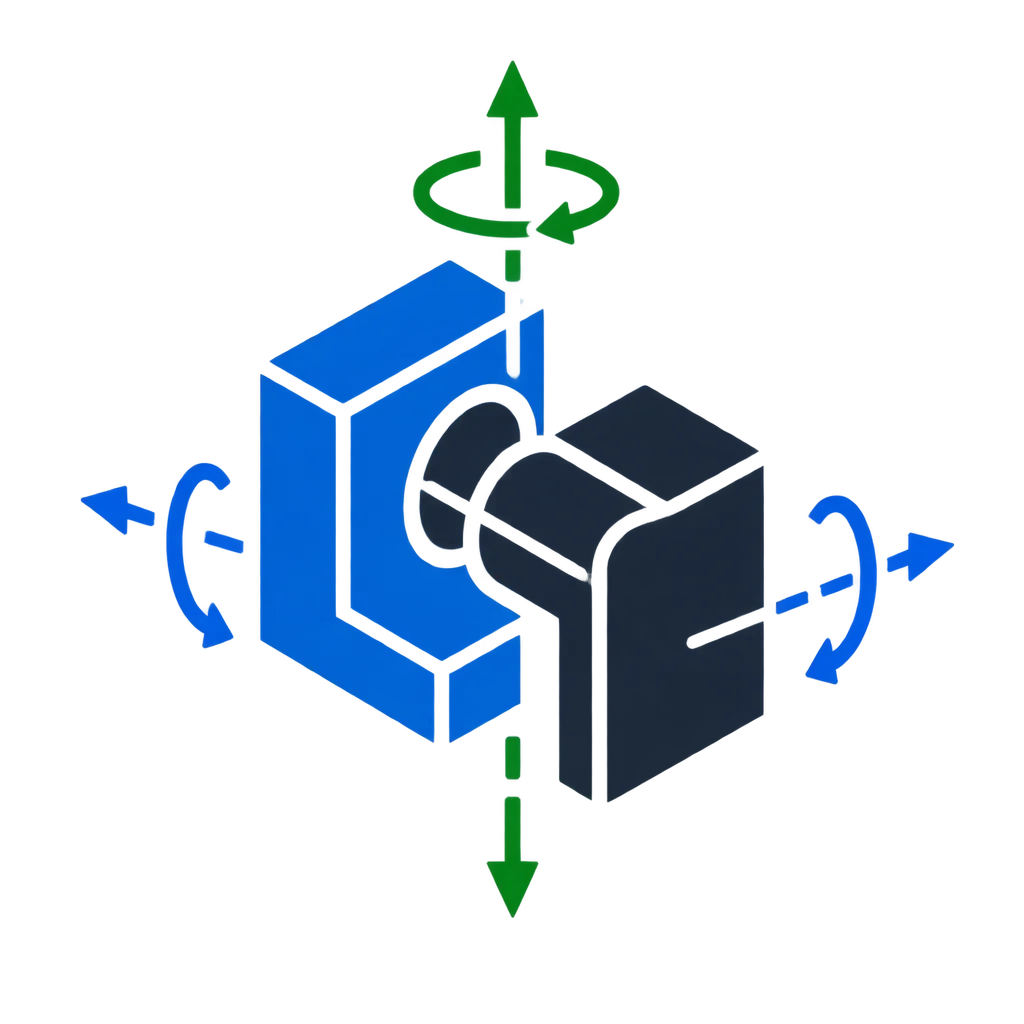
Every unconstrained component in 3D assembly space possesses six independent degrees of freedom: three translational along orthogonal coordinate axes and three rotational. Reliable assembly architecture demands conscious control over which spatial vectors remain unconstrained.
3 Trans + 3 Rot
Kinematics
Standard Mating Relationships
Standard geometric mates—coincident, parallel, perpendicular, tangent, and concentric—eliminate specific degrees of freedom mathematically. Selecting planar reference pairs instead of transient edges minimizes downstream constraint recalculation volatility.
Geometric Primitives
Kinematics
Intended Motion
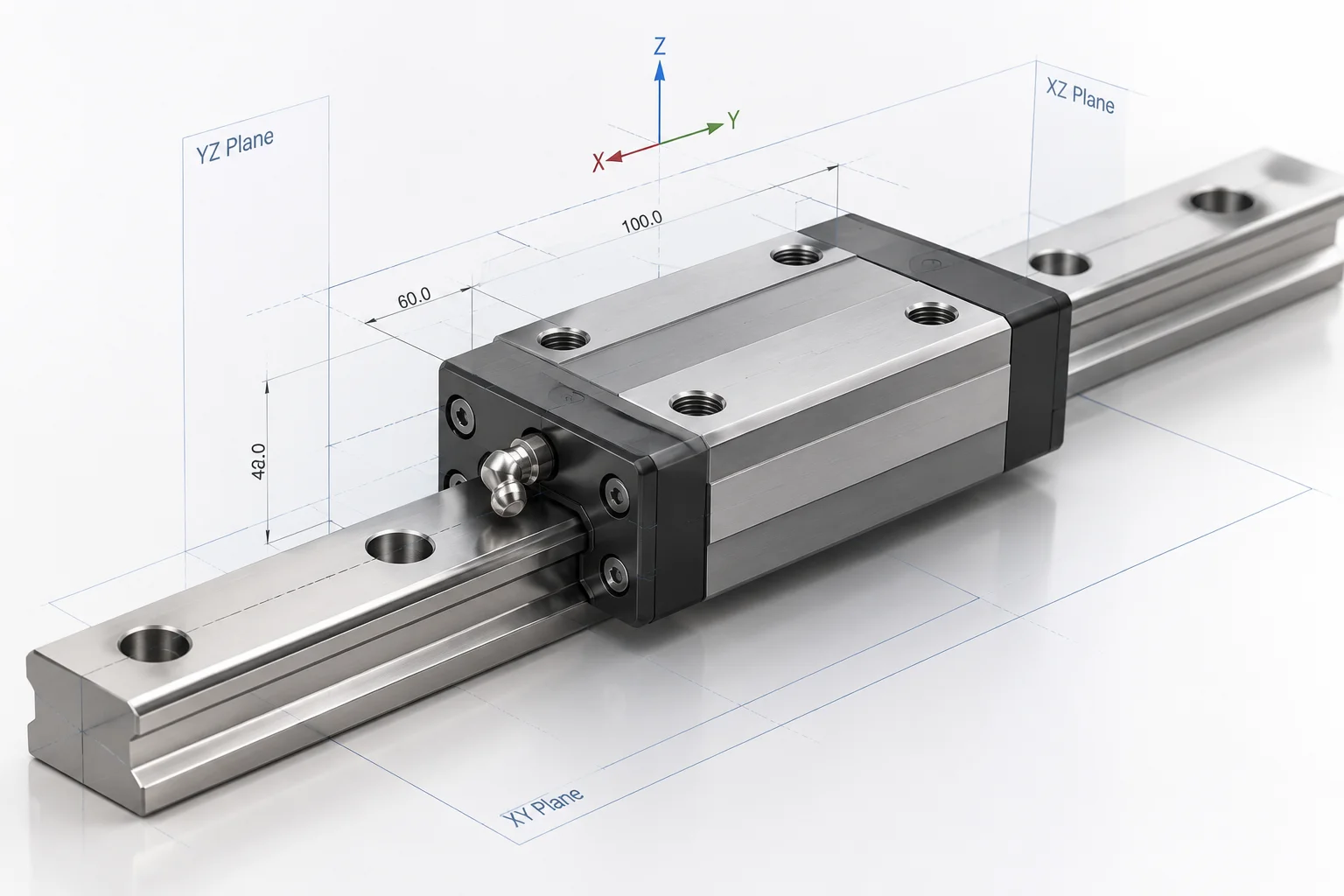
Differentiating rigid grounding from kinetic sub-assemblies determines solver stability. Intended linear travel or rotational sweep should rely on limit-distance mates or dedicated mechanism setups rather than loose or undefined floating parts.
Mechanism Path
Kinematics
Reference Entities
Robust mating schemes anchor to primary origin planes, coordinate systems, or major machined datum surfaces. Mating to chamfers, fillets, or transient draft faces leads to unstable geometry recalculations during parent component revisions.
Datum Hierarchy
Diagnostics
Overdefined Assemblies
Redundant or contradictory geometric constraints force the equation solver into overdefined conflict. Identifying redundant planar coincidence versus parallel restrictions prevents numeric oscillation and rebuild warnings.
Redundant Relations
Error Resolution
Dangling Mates
When a referenced edge, face, or sketch entity is deleted or radically reordered in upstream part trees, the mate loses its target and turns dangling. Systematic replacement requires re-associating matching topology without rebuilding entire mate trees.
Lost Topology
Error Resolution
MateXpert & Unresolved Mating Problems
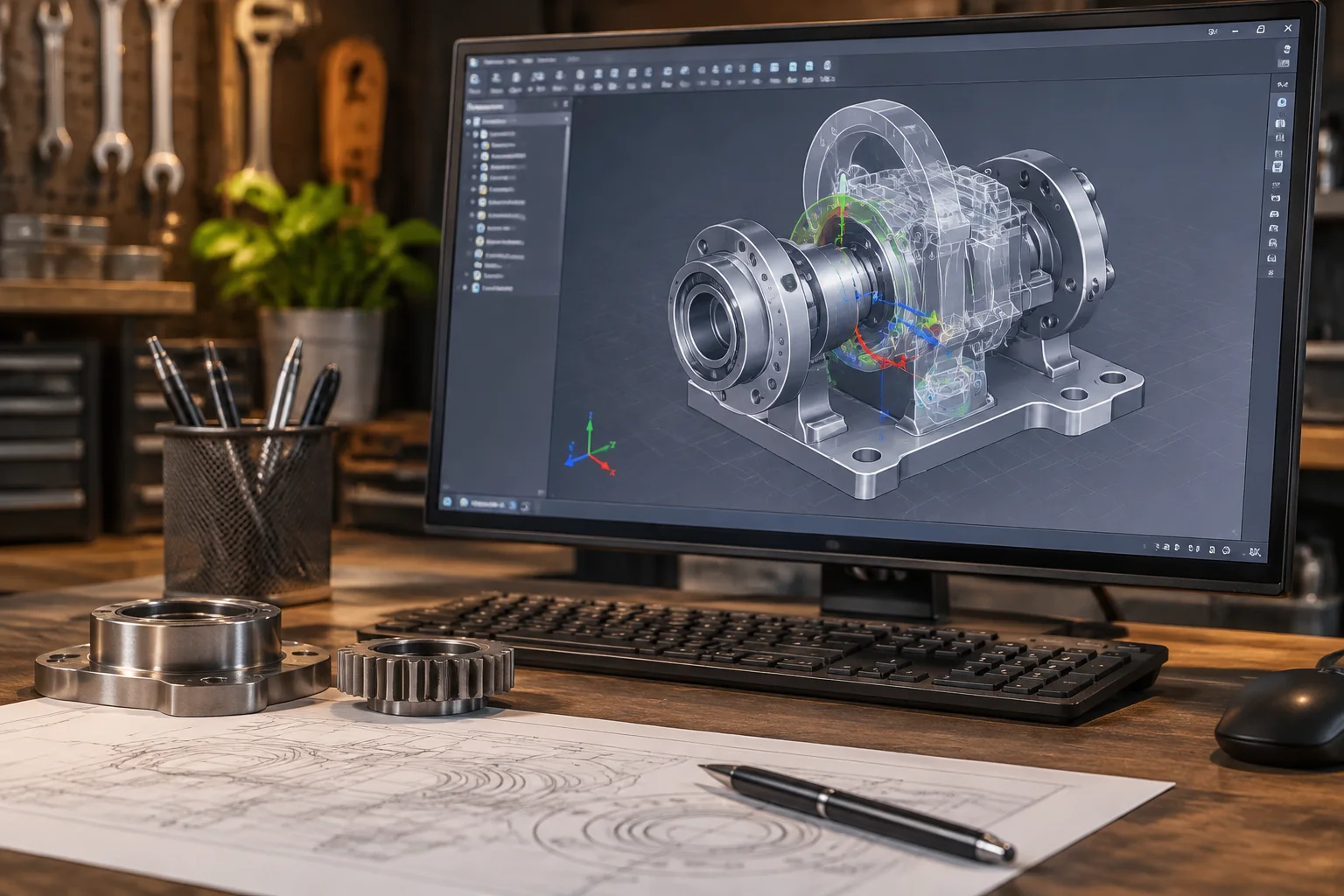
MateXpert serves as an internal solver diagnostic agent, segregating mutually satisfied mates from conflicting subsets and surfacing unresolved mating problems. It pinpoints localized constraint loops without automatically deciding which engineering relation to sever.
Solver Partitioning
Diagnostics
Revision Impact
Modifying dimensions, face splits, or feature patterns directly impacts downstream mating references. Standardized configuration discipline and reference geometry preserve assembly sanity during engineering change orders.
Topology Shift
Diagnostics
Limits of Diagnostic Conclusions
Automated diagnostic tools only test mathematical consistency, not design validity. A zero-error assembly solver state can still violate physical assembly clearances, slide limits, or functional fabrication tolerances.
Mechanical Validity
Diagnostics