Essential Takeaways on Rotational Degrees of Freedom
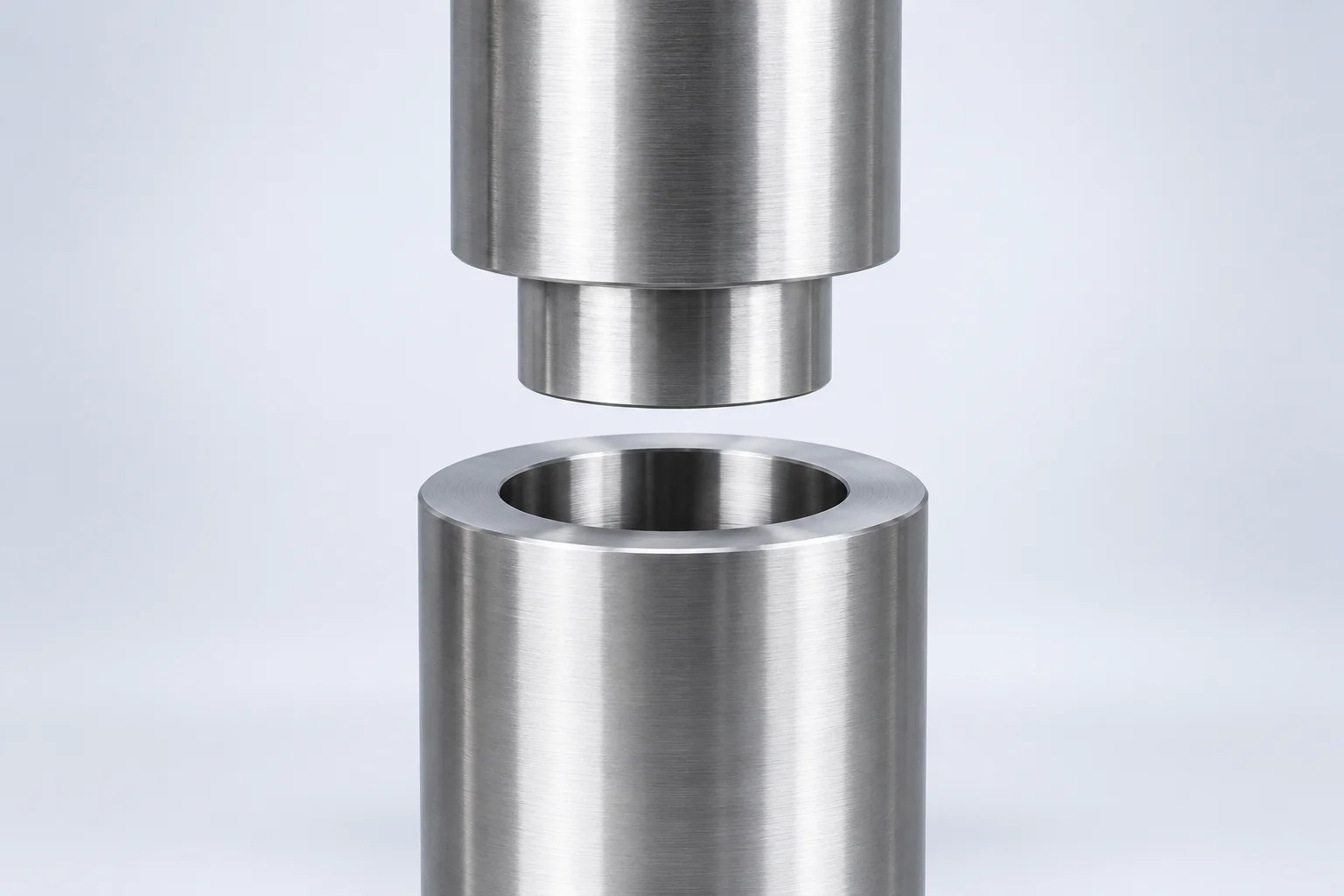
- Cylindrical fasteners and pivot pins perform cleanly without locking their axial spin unless physical alignment keys or orientation detents exist.
- Restricting free rotation with arbitrary parallel mates forces the solver to recompute plane alignments during downstream part modifications.
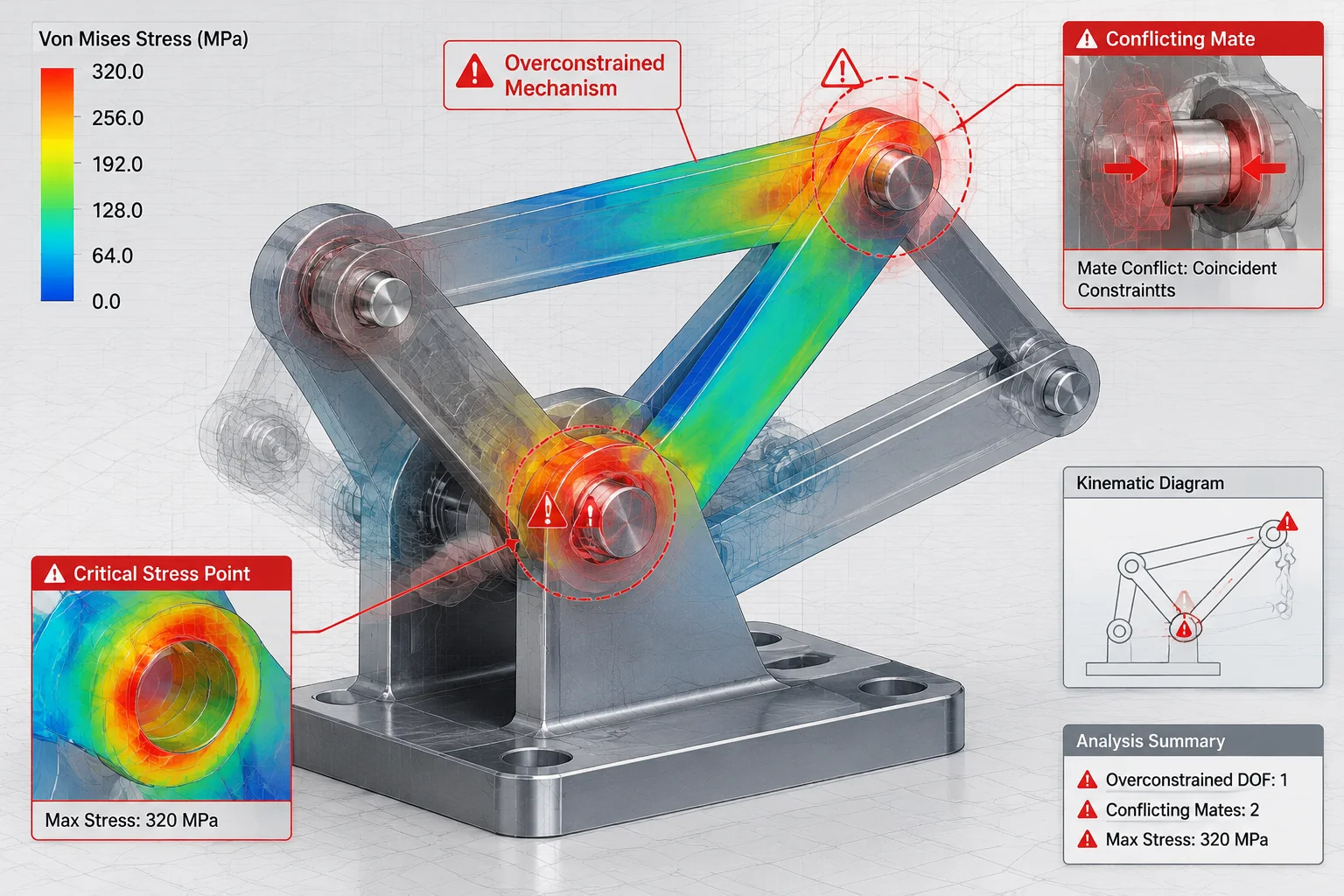
- Overconstraining harmless axial rotations causes invisible internal stress flags and dramatically inflates assembly rebuild durations.
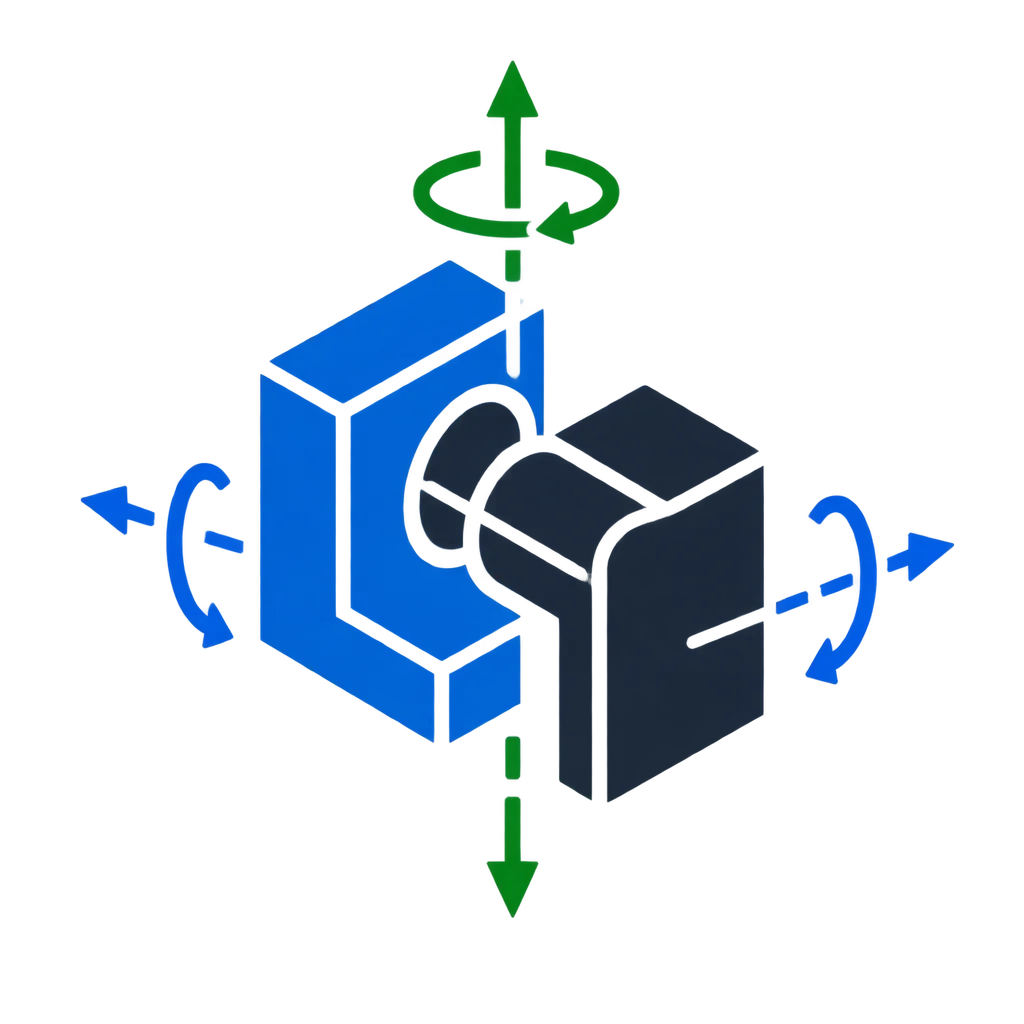
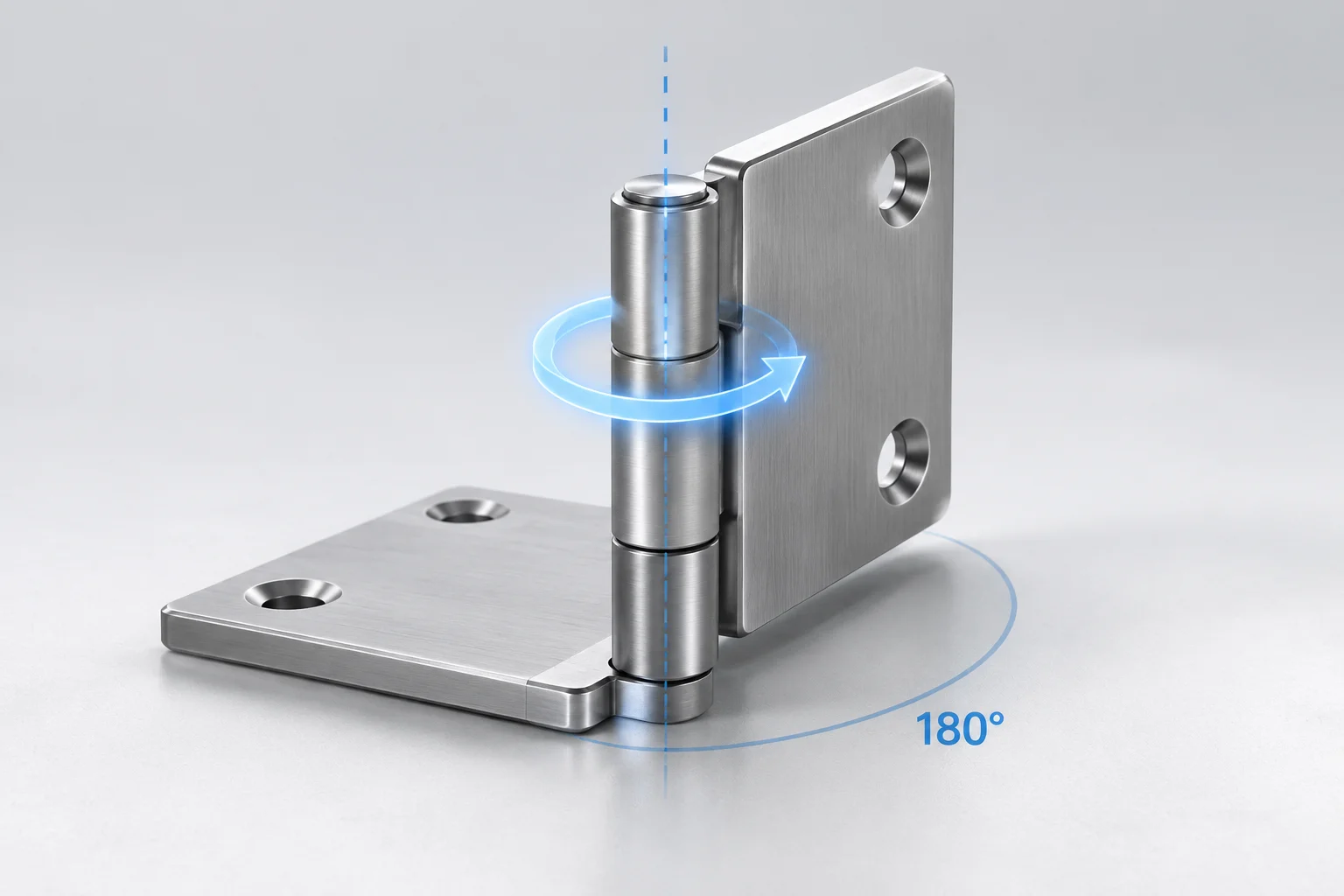
- Intentional kinematic degrees of freedom allow mechanism subassemblies to articulate realistically in downstream motion studies.
The Trap of Forcing Full Definition on Symmetrical Pins
In mechanical CAD assemblies, novice modelers often experience an urge to eliminate every minus sign in the component feature tree by turning every degree of freedom into a rigid lock. Standard cylindrical dowels, clevis pins, rivets, and bolts exhibit radial symmetry along their primary centerline. Restraining the axial rotation of a smooth dowel pin with an arbitrary parallel or angle mate introduces an artificial reference plane dependency without adding any functional fidelity to the physical bill of materials.
When an assembly experiences geometric revisions, mating references tied to random fastener orientation planes often fail unexpectedly. The mate solver spends unnecessary cycles checking whether two arbitrary flats remain parallel, leading to sluggish rebuild benchmarks and frustrating rebuild flags on parts that should otherwise remain unaffected.
A fully defined assembly that relies on arbitrary plane locks is far more fragile than an assembly that allows natural rotational degrees of freedom to remain unrestrained.
Symptoms of Unnecessary Rotational Lock Mates
Overdefining cylindrical joints disrupts natural kinematic chains and introduces hidden failure points into parametric assemblies. CAD solvers evaluate constraint systems simultaneously; redundant planar references attached to rotating bodies create matrix overdeterminacy that impairs file stability.
- Matrix Overload in Solver Engines: Each redundant mate creates an extra matrix equation during assembly rebuilds, doubling the computational workload during complex position evaluations.
- Broken References During Minor Part Updates: Modifying a sketch dimension on an upstream bracket can shift a reference face, immediately breaking secondary parallel mates on thirty identical fasteners.
- Incompatible Kinematic Subassembly Behavior: Locking the rotation of connecting pins freezes linkages entirely, preventing parent mechanisms from demonstrating realistic stroke lengths or sweep volumes.
Diagnostic Routine for Clean Kinematic Trees
Modern CAD platforms provide native controls such as concentric mate rotation locking or dedicated revolute joint types. The professional consensus recommends leaving smooth rotational fasteners free to spin or using the software-native 'Lock Rotation' toggle directly on the concentric mate rather than building secondary planar mates. This maintains mathematical cleanliness while preventing unconstrained float, ensuring both downstream stability and rapid assembly rebuild times.