Key Engineering Takeaways
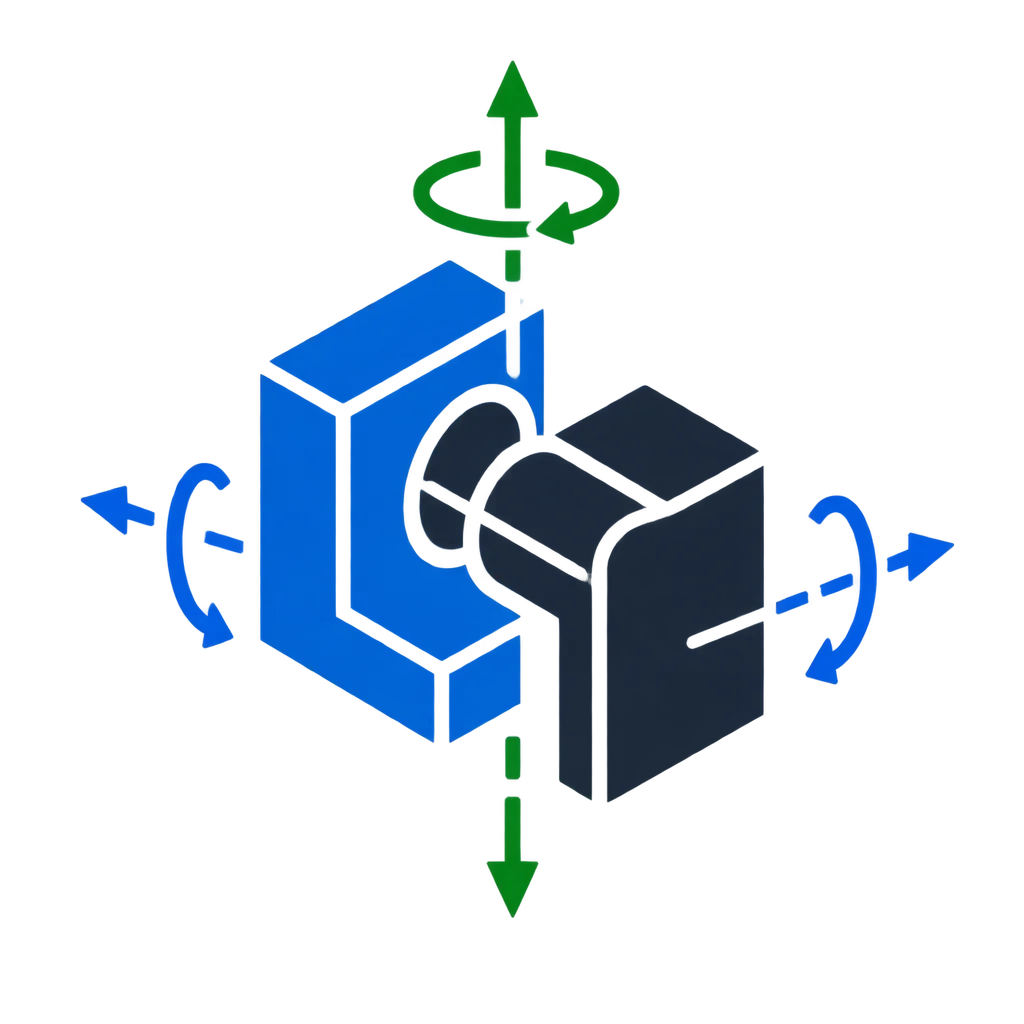
- Planar coincident mates eliminate one translational axis and two rotational axes simultaneously.
- Redundant constraints cause severe rebuild latency and solver instability upon parametric updates.
- Overdefined assemblies obscure tolerance stack-ups that cause physical parts to bind during shop assembly.
- Suppressing secondary reference mates quickly isolates the precise joint causing mechanical seizure.
The Hidden Multi-Axis Impact of Standard Mates
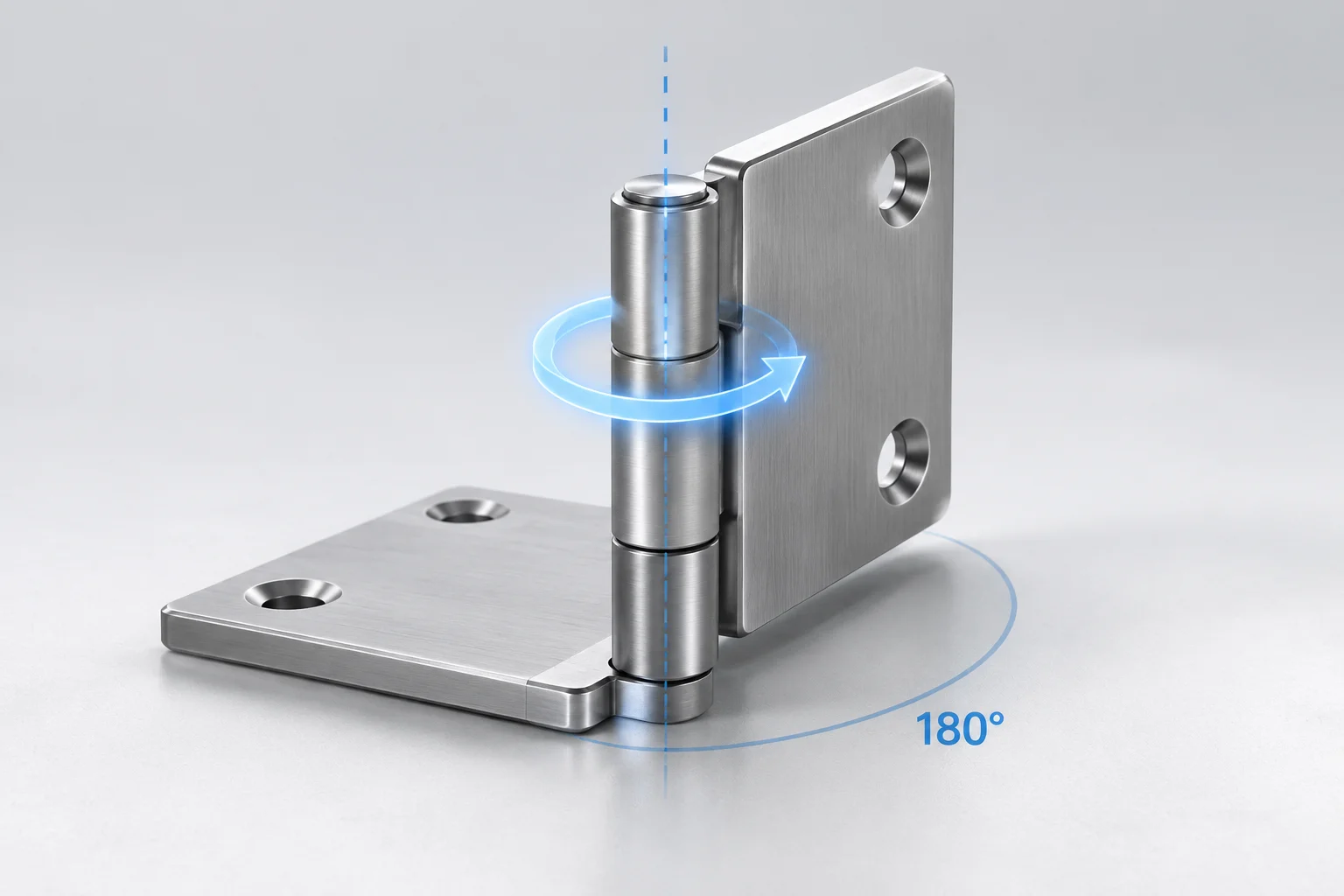
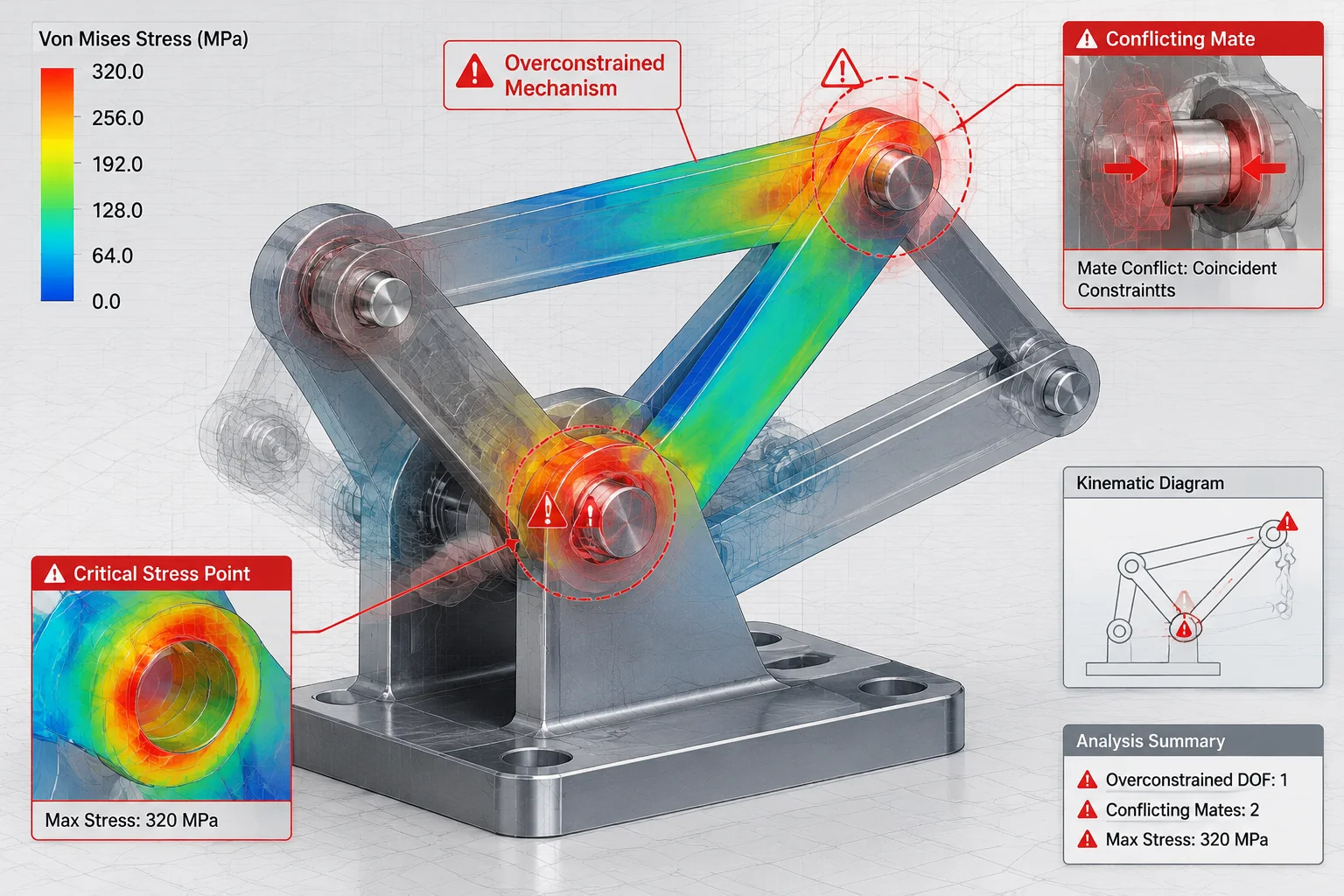
When an engineer places a coincident constraint between two planar faces, the intent is often simple: keep the surfaces touching. However, a planar coincident mate does not merely block translation along the normal axis; it also fixes two angular rotations perpendicular to that normal. If another fastener, alignment dowel, or hinge pin has already restricted those rotational axes, the CAD solver suddenly receives conflicting mathematical directives. Even micro-inch manufacturing tolerances or slight draft angles will cause the constraint engine to flag red warnings or lock up completely.
Modern parametric modelers attempt to compute solutions using iterative matrix algebra. When an additional mate strips away the final viable degree of freedom from a mechanism that needs to swivel or slide, the software may arbitrarily freeze motion or default into an overdefined state. Understanding the exact translation and rotation matrix associated with each mate type ensures you constrain only the dimensions you actually mean to control.
An assembly should not be defined by piling on mates until motion stops. It must be constrained intentionally, preserving compliance where real physical hardware requires freedom.
Recognizing the Warning Signs of Overconstraint
Overconstrained subassemblies rarely fail silently. Instead, they introduce subtle friction in daily CAD modeling workflows, slowing rebuild times and generating phantom rebuild errors after simple upstream dimension changes. Look for these definite indicators during model review:
- Sudden Rebuild Latency: Assembly regeneration slows drastically as the solver cycles through conflicting constraint equations.
- Rigid Motion Locks: Components intended to simulate linkage movement become immovable in dynamic drag mode despite apparent open joints.
- Phantom Exploded Errors: Disassembly configurations fail to compute paths because secondary face mates prevent legitimate linear step displacements.
Systematic Techniques to Restore Joint Mobility
To clear overdefined conditions without destabilizing your model tree, suppress secondary mates sequentially until the target degree of freedom returns. Replace planar coincident mates with tangent, slot, or distance limit relationships where compliance is needed. For cylindrical pin-in-hole assemblies, verify whether rotation lock is checked on concentric mates; releasing rotational lock often restores full compliance across four-bar linkages without compromising positional accuracy.