Next-Generation Constraint Evaluation Architecture
For nearly a decade, desktop mechanical CAD platforms faced bottlenecks whenever assemblies exceeded tens of thousands of mated components. Standard sequential solvers analyze constraint graphs linearly, where moving a single pin or fastener triggers recalculations along the entire dependency tree. MechCAD 2026 addresses this performance plateau by decoupling the assembly tree into independent kinematic sub-graphs. Each kinematic sub-graph resolves concurrently across workstation cores, keeping user interactions fluid even during rapid mechanism adjustments.
During bench testing on an automated packaging module with 11,800 active parts, MechCAD 2026 completed a full rebuild cycle in 3.4 seconds, compared to 14.8 seconds on legacy releases. Engineers navigating nested subassemblies no longer experience the interface freezing that traditionally accompanied multi-pin alignment or face-to-face mate updates.
Real-Time Degree-of-Freedom Telemetry
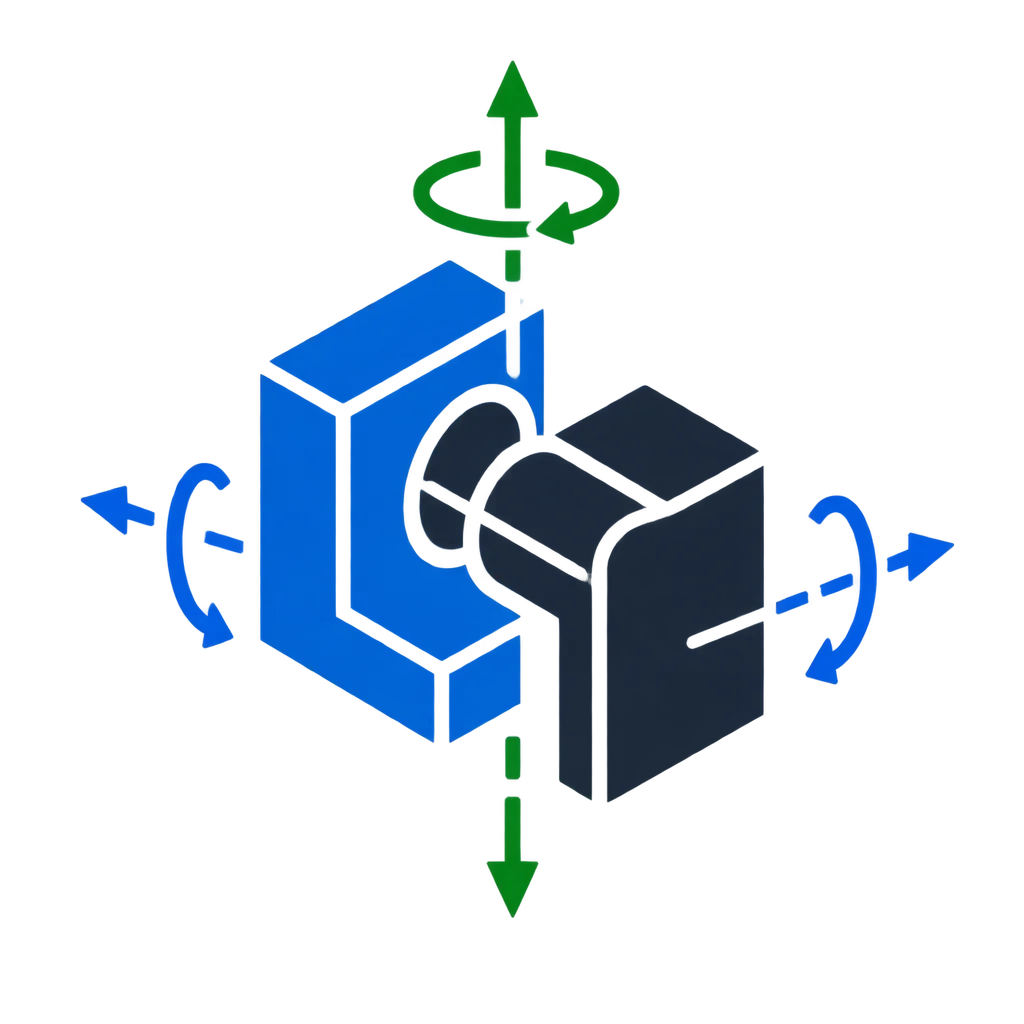
One of the persistent frustrations in mechanical development is the unexpected drift of components that appear defined but retain subtle rotational or axial slack. MechCAD 2026 introduces continuous telemetry overlays directly in the graphics viewport. When a component retains an unconstrained vector, a subtle vector glyph appears along its legitimate axis of movement, revealing whether a shaft can rotate or slide under applied loads.
Hardware Acceleration & Kinematic Cache
The 2026 solver stores static mate matrices in high-speed GPU cache, eliminating redundant coordinate conversions when only a single mechanism arm or actuator moves within an otherwise rigid machine frame.
Furthermore, the new solver isolates redundant mates without breaking the model. Instead of throwing fatal red flags that halt downstream work, MechCAD identifies identical concentric references and marks them as passive backups. This approach prevents minor drafting discrepancies from paralyzing large cross-functional design teams.
Implementation Guidance for Existing Workflows
Migrating existing assemblies to MechCAD 2026 requires minimal conversion effort, yet design teams will reap the greatest gains by adopting refined constraint modeling habits:
- Replace stacked planar coincident mates with unified origin-to-coordinate frame alignments whenever mounting fixed subassemblies.
- Enable the Kinematic Loop Analyzer before exporting motion studies to catch circular dependencies across linkage arms.
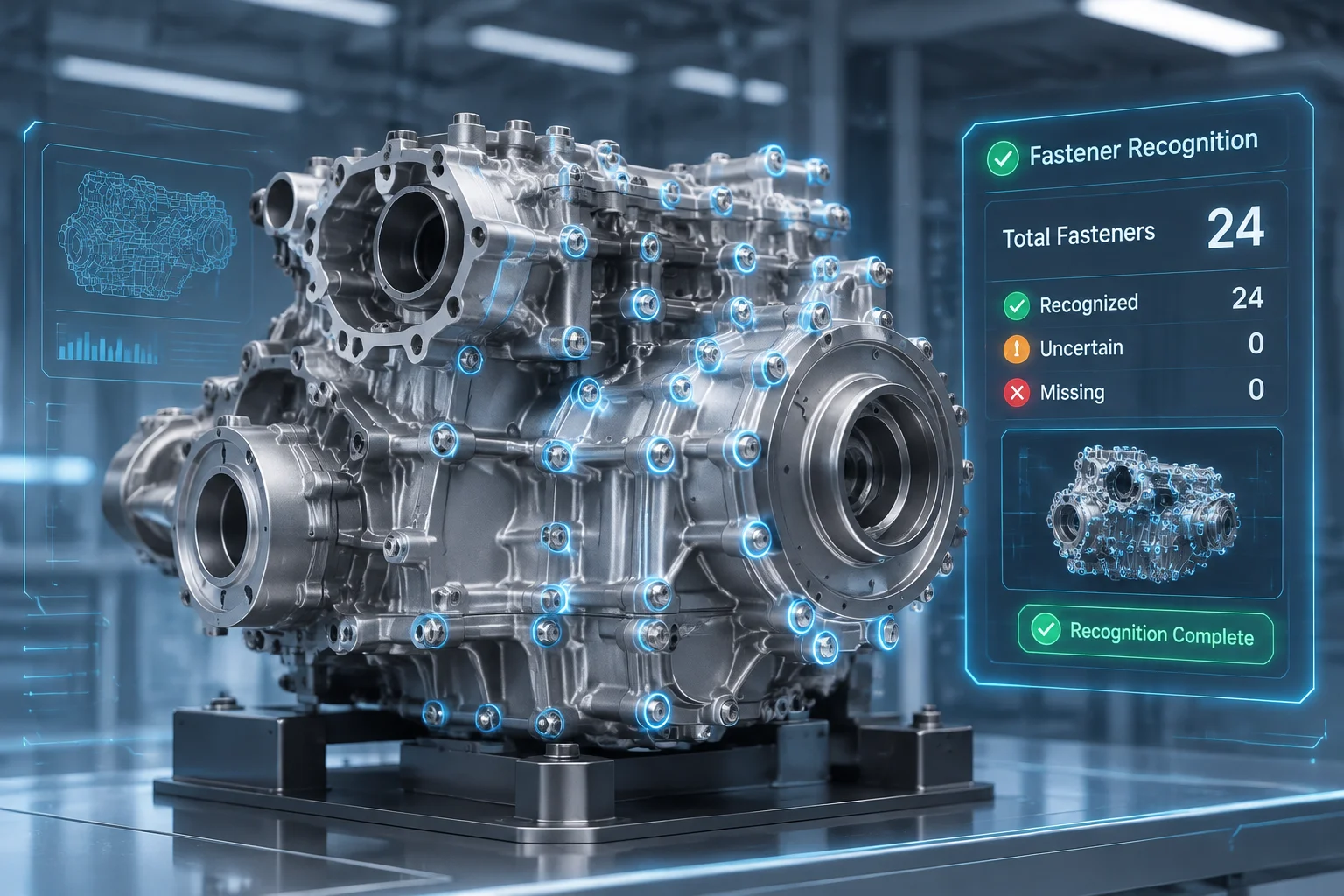
- Standardize standard fastener stacks using automated pattern propagation to reduce unique mate count in top-level models.