
Cloud-Native CAD and Hybrid Assembly Management
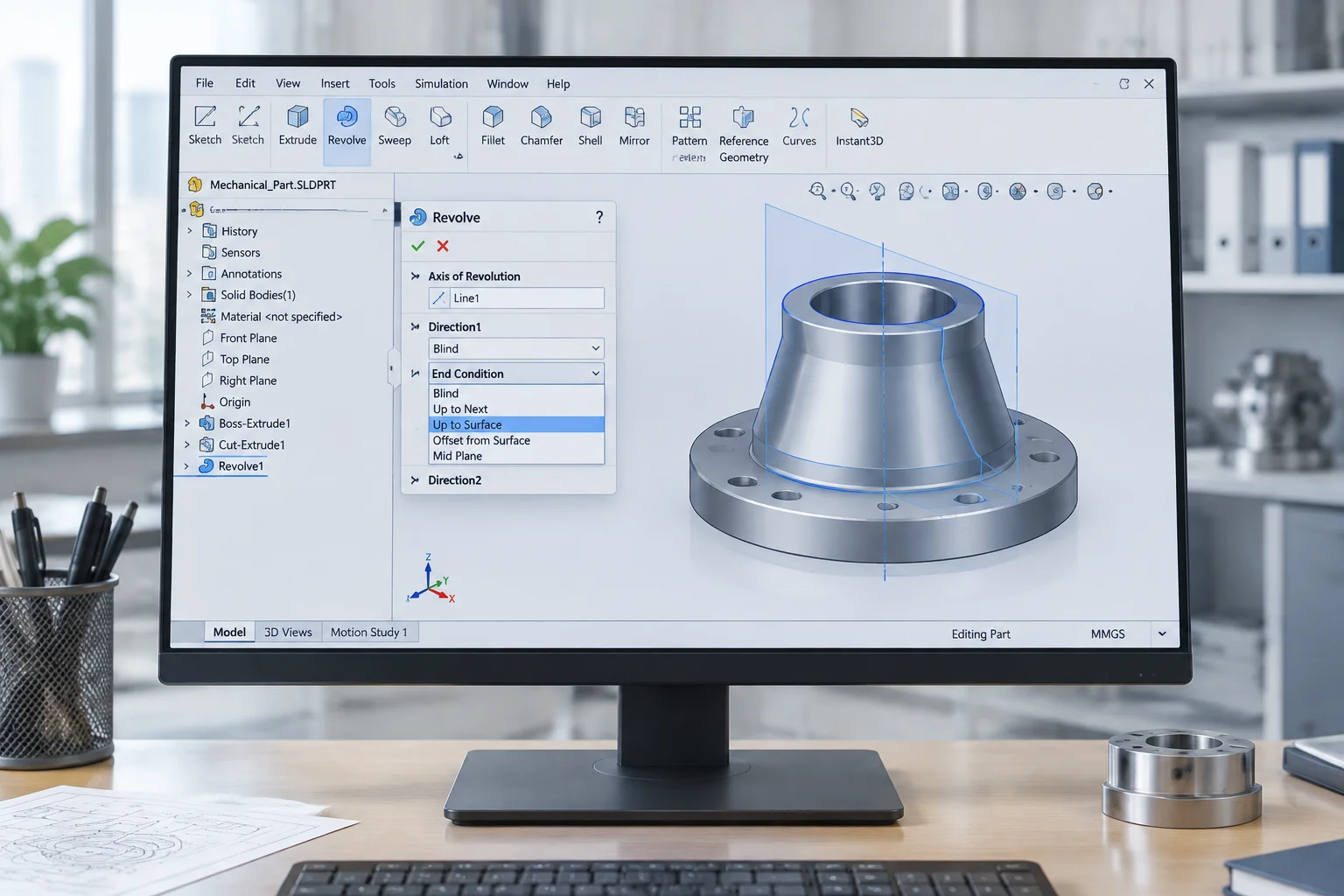
With the release of Creo 13 alongside its browser-managed cloud suite Creo+ 13.3, PTC reinforces a flexible hybrid approach to parametric mechanical design. On-premise installations continue delivering raw desktop compute performance for complex solid geometry, while the cloud-enabled platform coordinates administrative licensing and concurrent branch collaboration. Engineers can inspect mating updates across massive top-level assemblies without manually checking out nested subassembly files.
Earlier version branches frequently encountered reference locking hurdles when multiple engineers modified adjacent parts within the same mechanical assembly. Creo+ 13.3 mitigates this friction through centralized cloud-hosted metadata tracking. Designers observe updated mate positions in near real time, avoiding the broken references and duplicate part configurations that historically hindered distributed product teams.
Kinematic Solver Enhancements and DOF Diagnostics
Mechanical systems containing thousands of mated components often experience noticeable latency during geometric rebuilds whenever a foundational reference plane shifts. Creo 13 addresses this bottleneck by deploying an upgraded multithreaded constraint solver. Concentric, coincident, and tangent mates now resolve in parallel pathways, drastically cutting down rebuild and regeneration durations across complex mechanisms.
Constraint Diagnostic Architecture
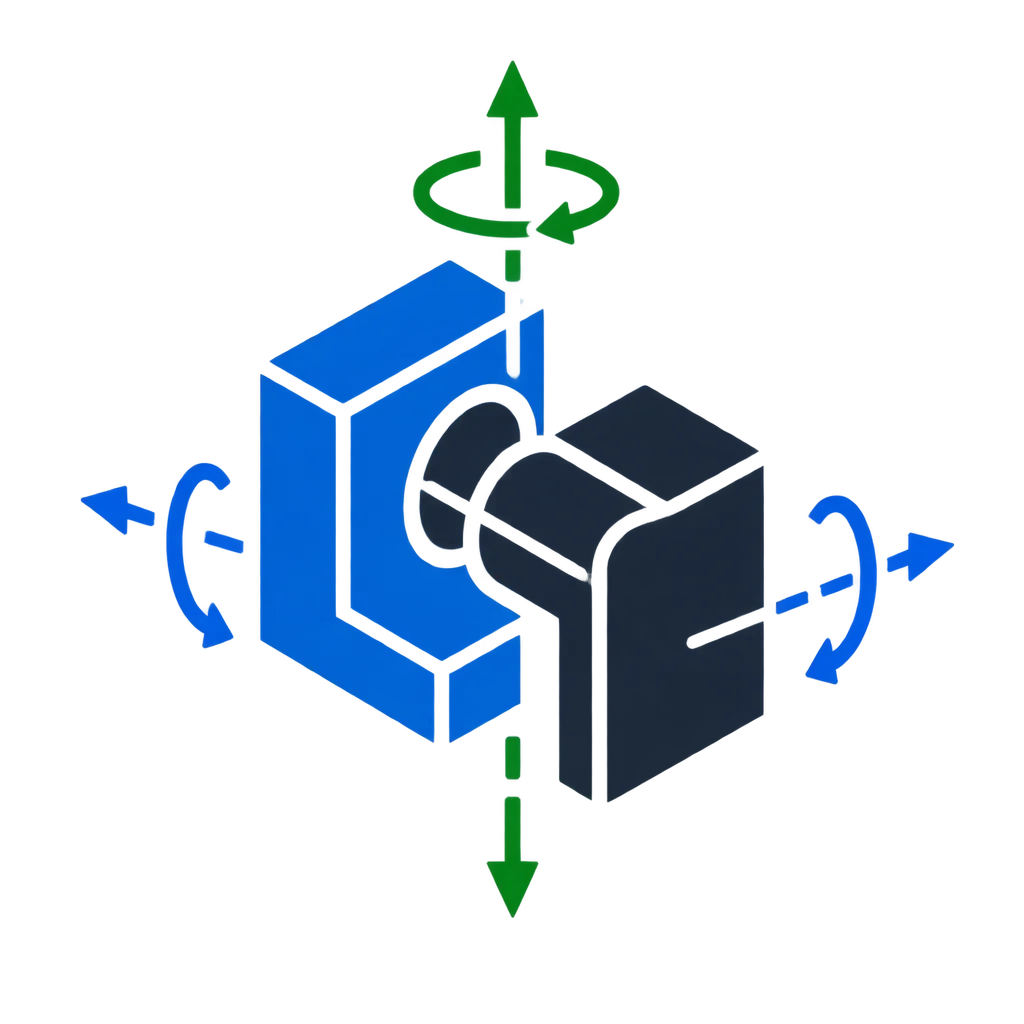
An intelligent diagnostic panel automatically audits the component mate tree during assembly definition. It flags redundant planar restraints and overconstrained rotational axes immediately, enabling engineers to preserve intended kinematic motion without tedious trial-and-error troubleshooting.
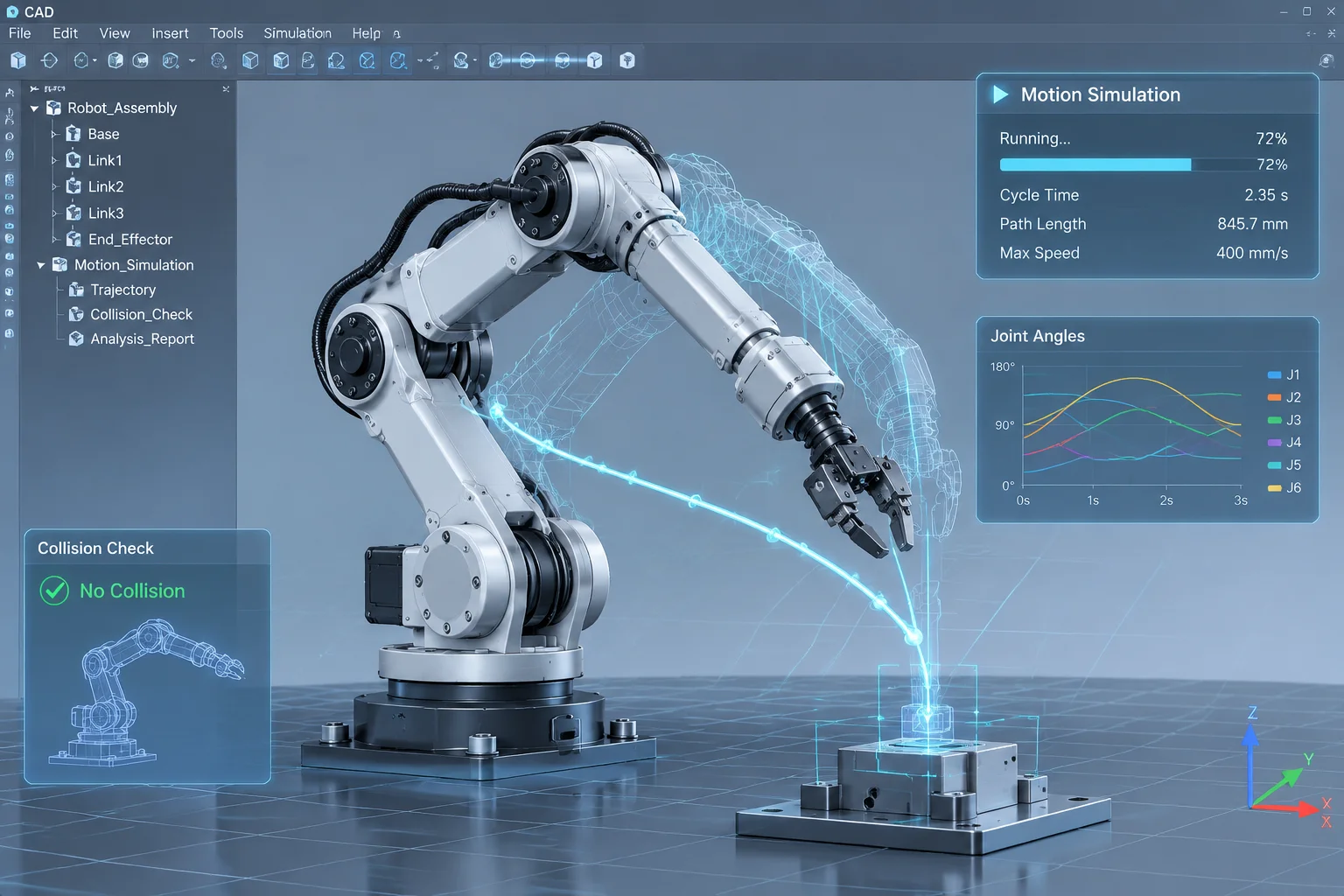
This proactive diagnostic methodology ensures that dynamic mechanisms retain true degrees of freedom throughout simulation. Motion studies now pull directly from primary mate declarations, eliminating the need to duplicate joint constraints or construct separate mechanism analysis models.
Streamlined Multi-Body Workflows and Downstream Definition
Parametric multi-body capabilities in Creo 13 receive significant refinements, particularly when preparing complex cast or machined housings for manufacturing. Multiple geometric bodies inside a single part file can now share split lines, cavity clearances, and automated wall thickness checks with tighter associative links.
- Enhanced Model-Based Definition (MBD) with automated semantic validation for geometric dimensioning and tolerancing (GD&T).
- Intelligent rotational locks on cylindrical mates to halt unintentional hardware spinning in high-part-count fastener patterns.
- Direct OpenUSD export pathways facilitating immediate photorealistic rendering and robotic simulation handoffs.